
Research
Thermographic Deception
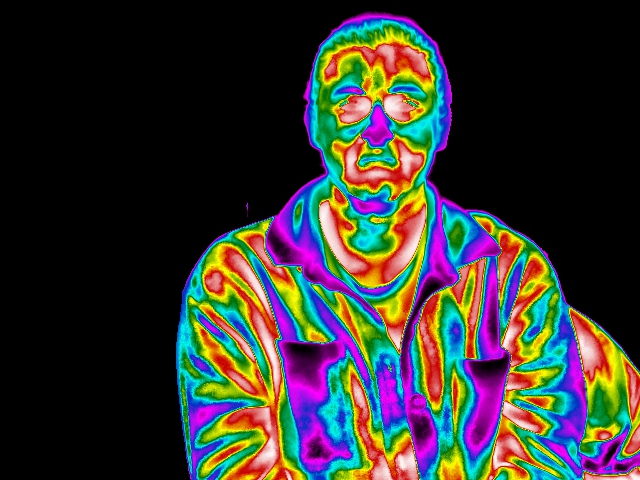
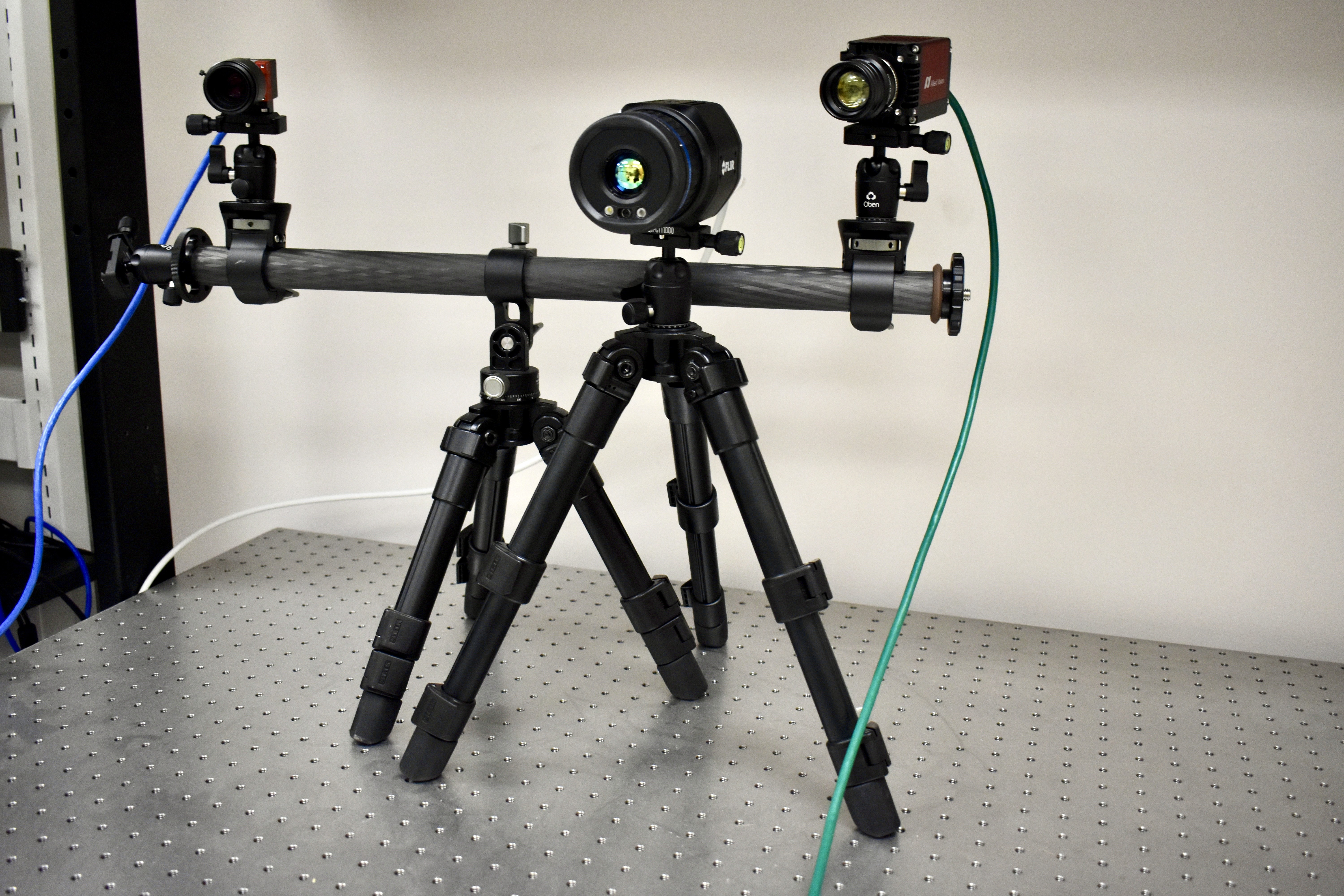
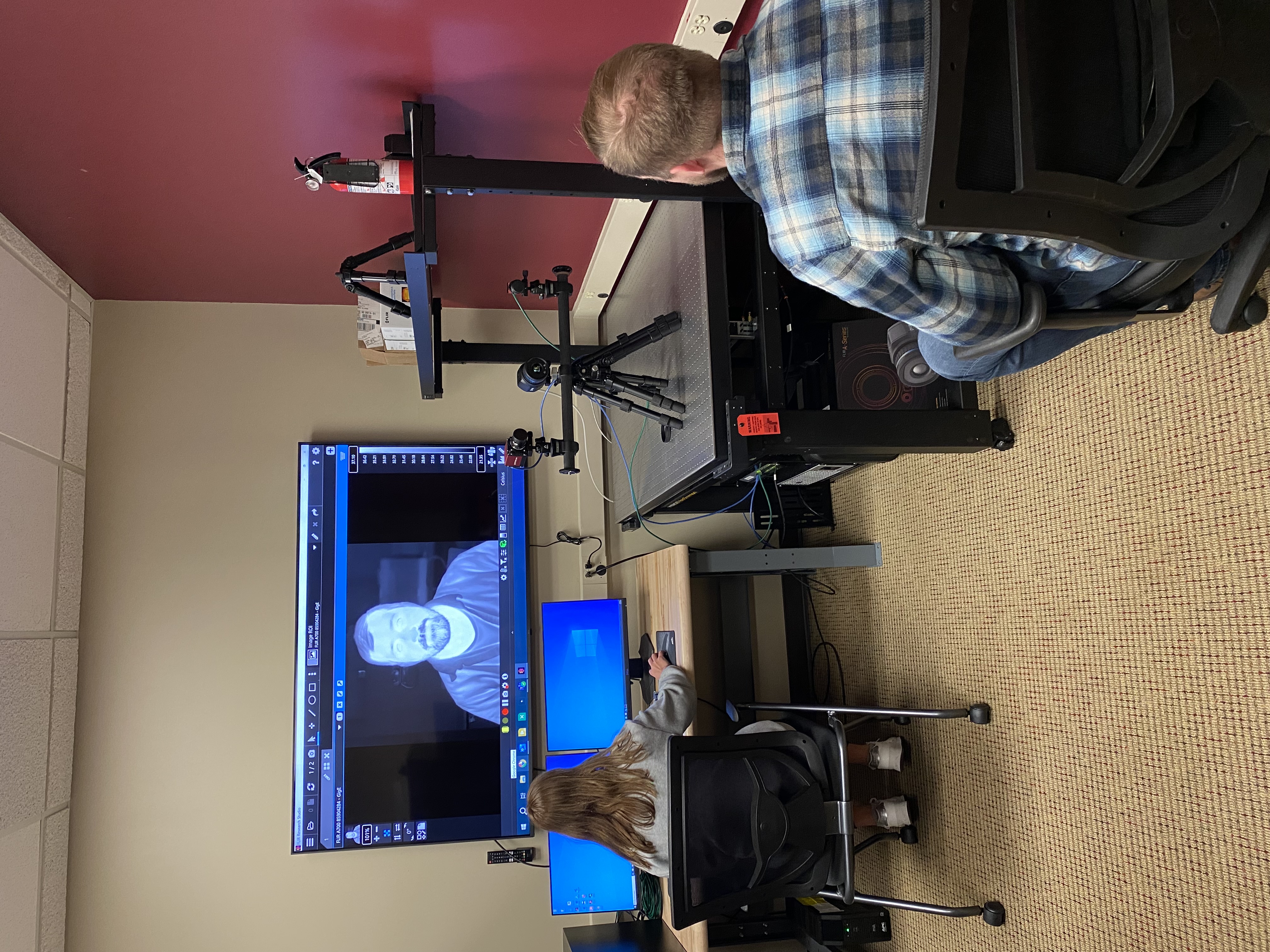
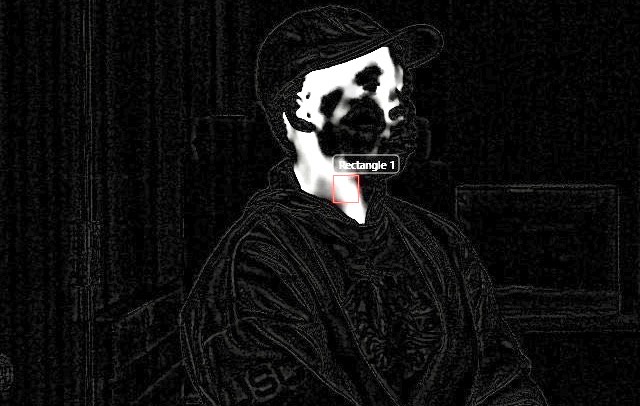
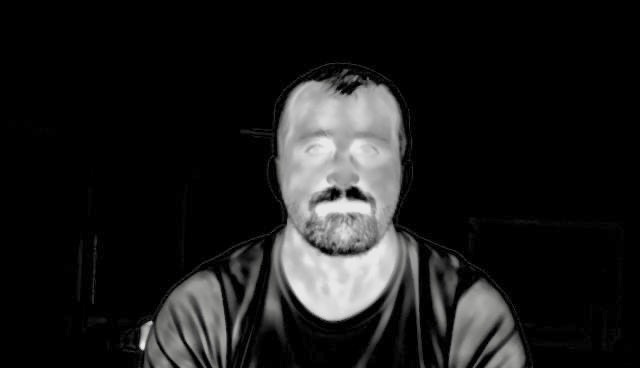
Led by PhD student Chris Kibler, this project focuses on developing thermographic imaging methods to enable contactless measurement of physiological data in order to detect deceptive behavior during interviews. This system uses a multimodal imaging suite to record a subject during an interview and detect variations in different physiological signals in real time, allowing interviewers to ask relevant follow-up questions.
Outside of the deception space, these technologies can also directly support the medical field by enabling physicians to continuously collect relevant vital signs and information without needing to attach uncomfortable or intrusive devices to their patients. As this technology continues to develop, it even has the potential to automate the collection of vital signs, reducing the workload on physicians and enabling them to focus on interacting with the patient during their visit.
Natural Language Processing
Led by PhD student Kacey Miller, this project is focused on evaluating linguistic cues of deception using natural language processing (NLP) techniques. NLP is a compilation of computer science, linguistics, and artificial intelligence that has recently shown to improve the accuracy of deception detection.
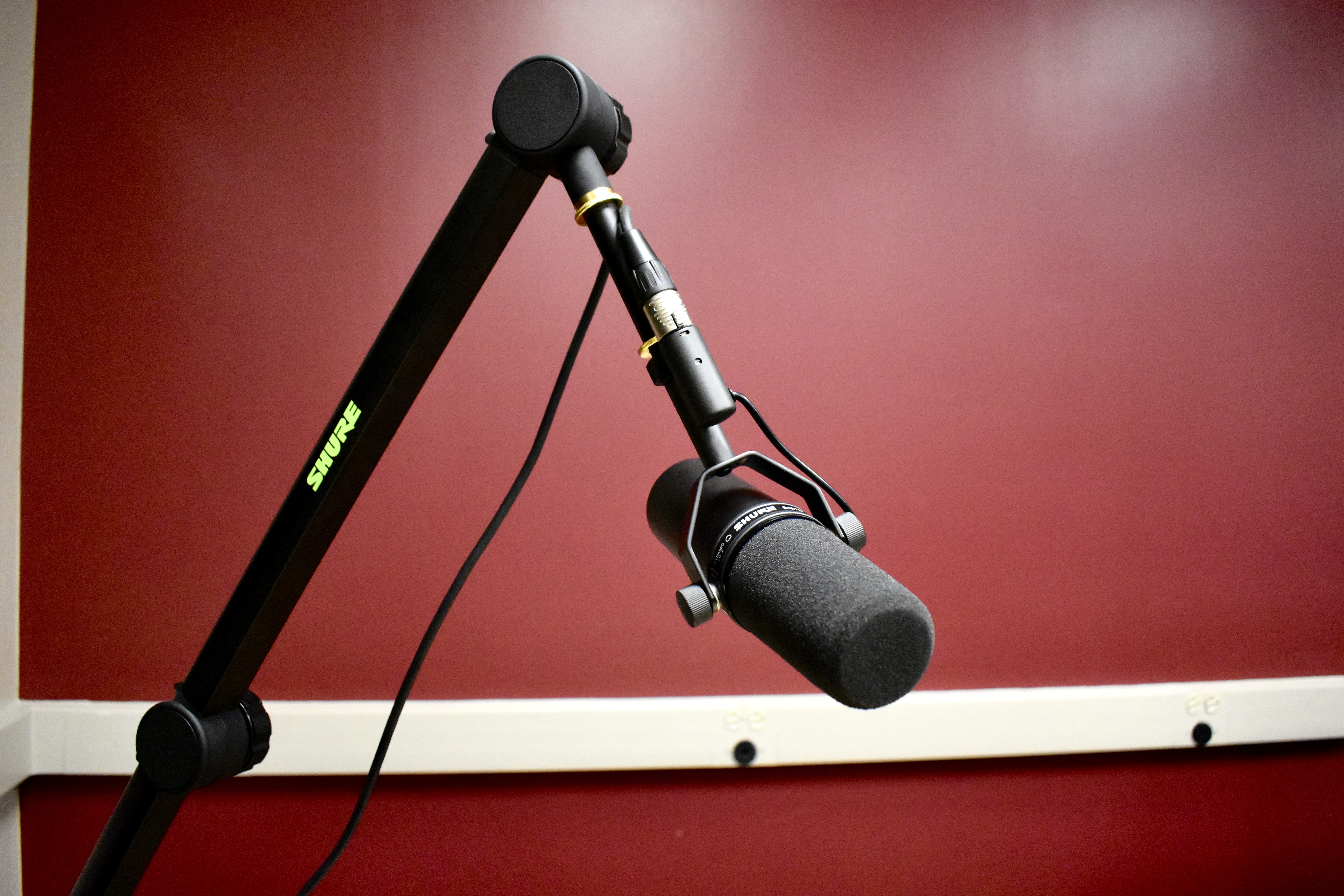
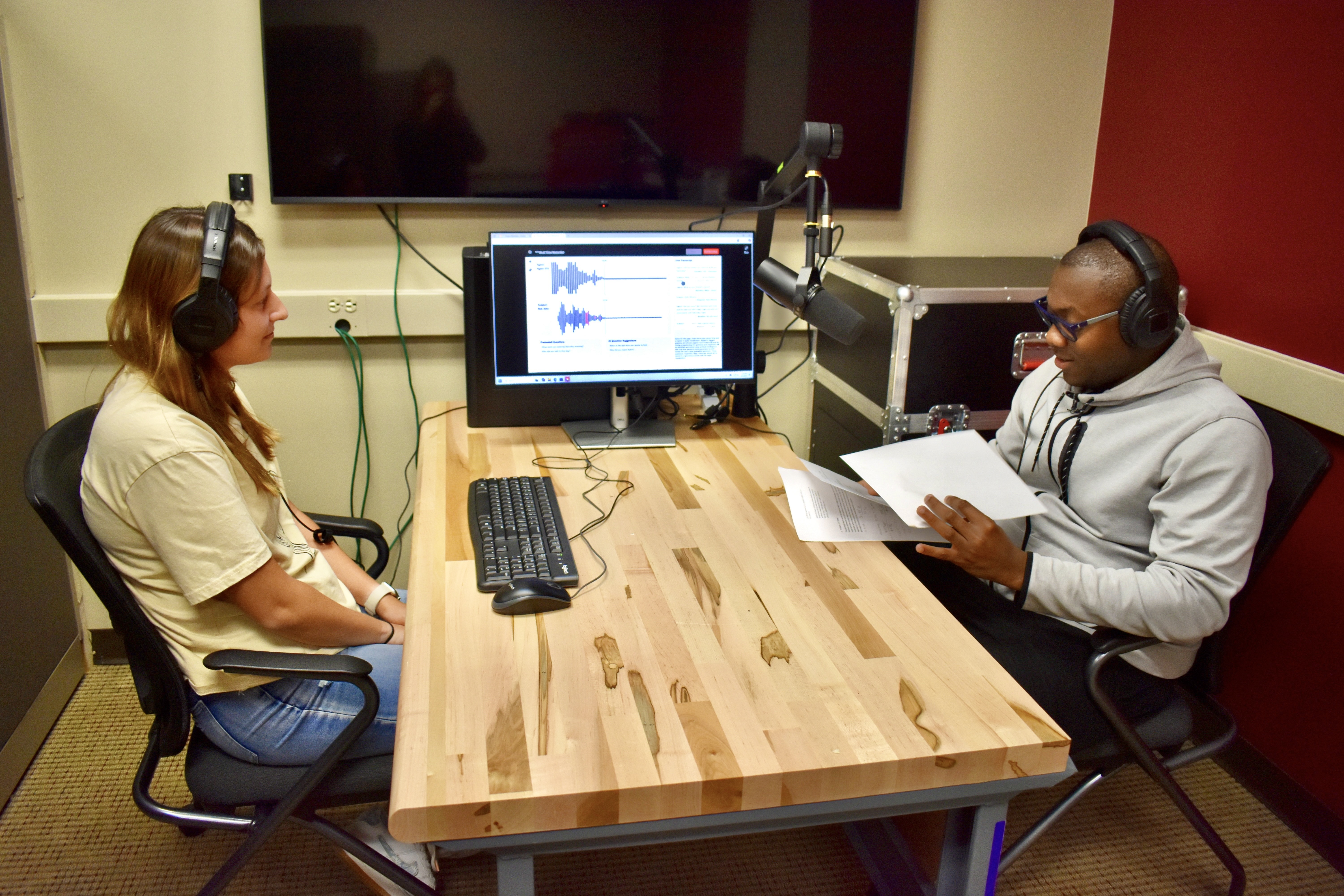
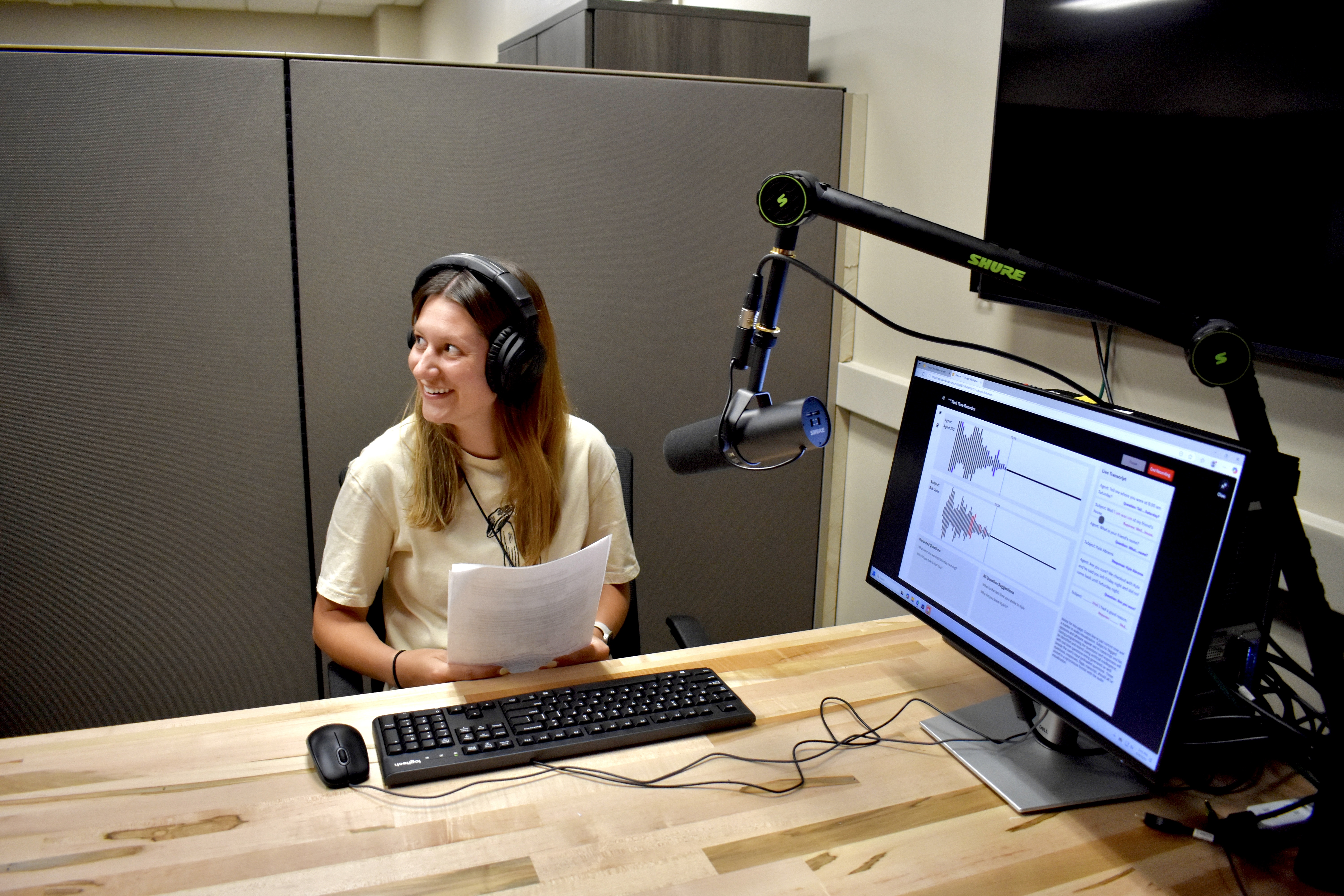
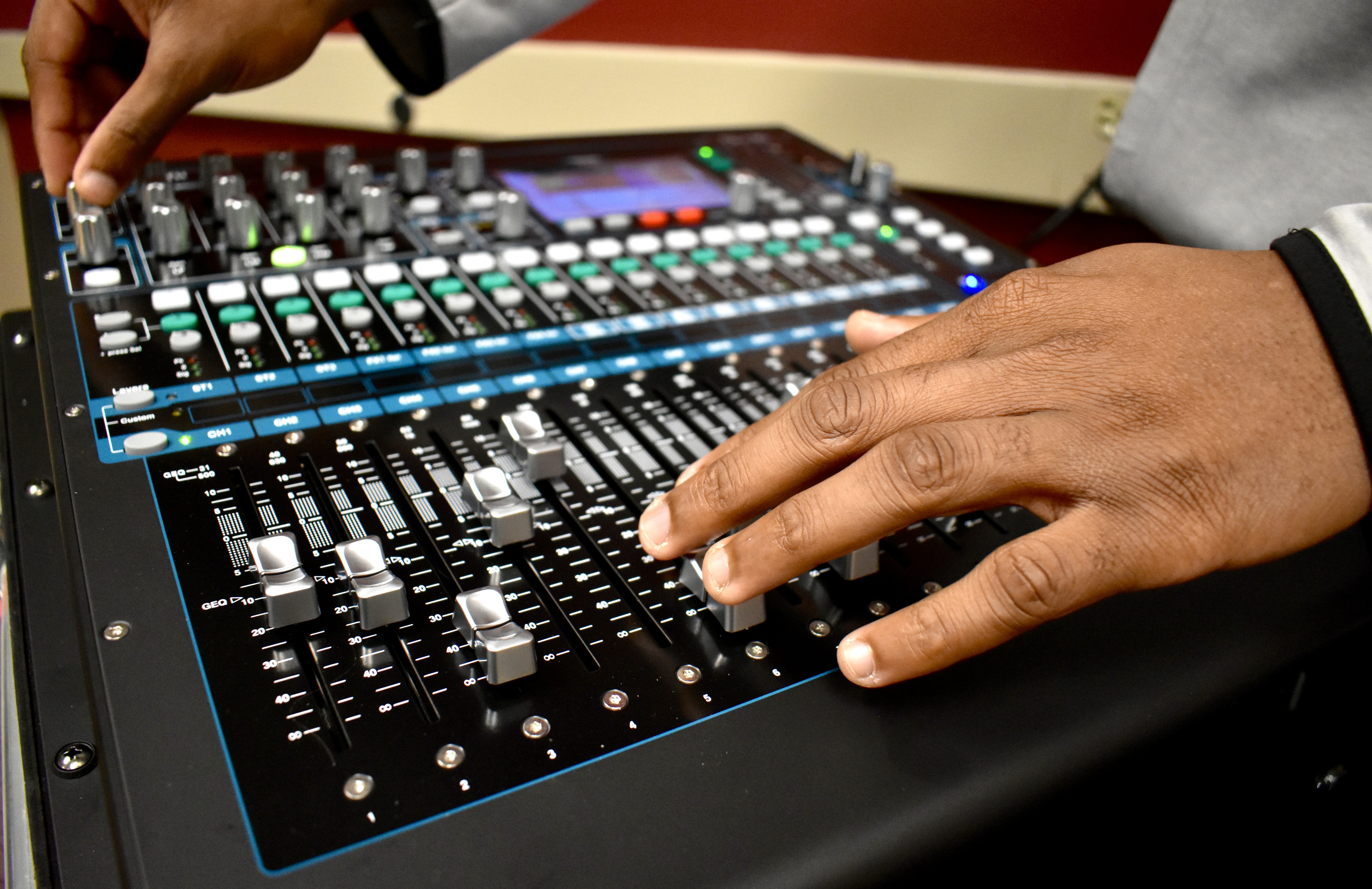
The goal of this project is to discover linguistic changes triggered by a stress response including spontaneous language, altered syntactic structure, shifts in sentiment, etc. A dedicated interview space will allow for audio recording with real-time text transcription and artificial intelligence insight through a software program developed by the NLP team.
Cognitive Deception
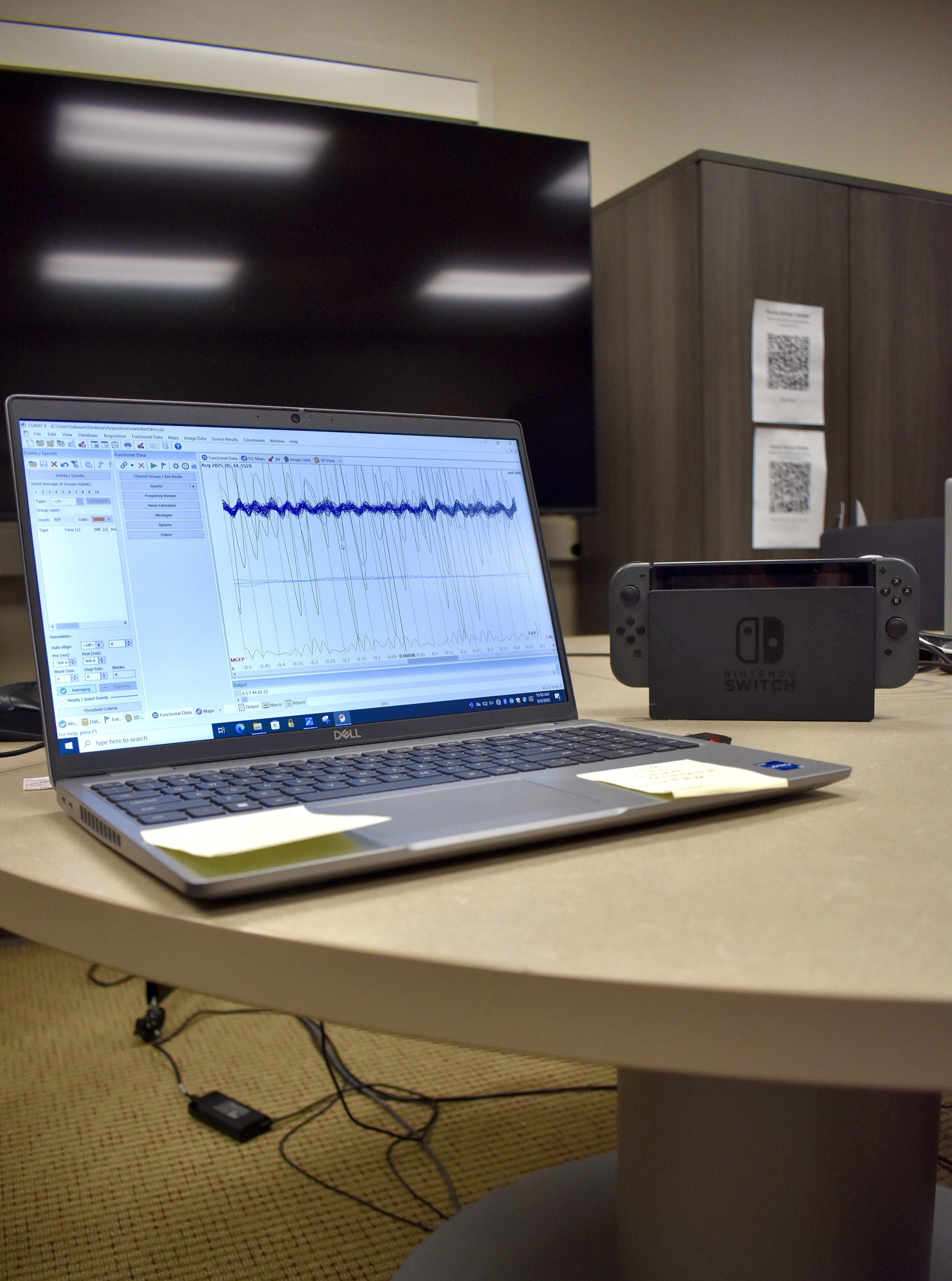
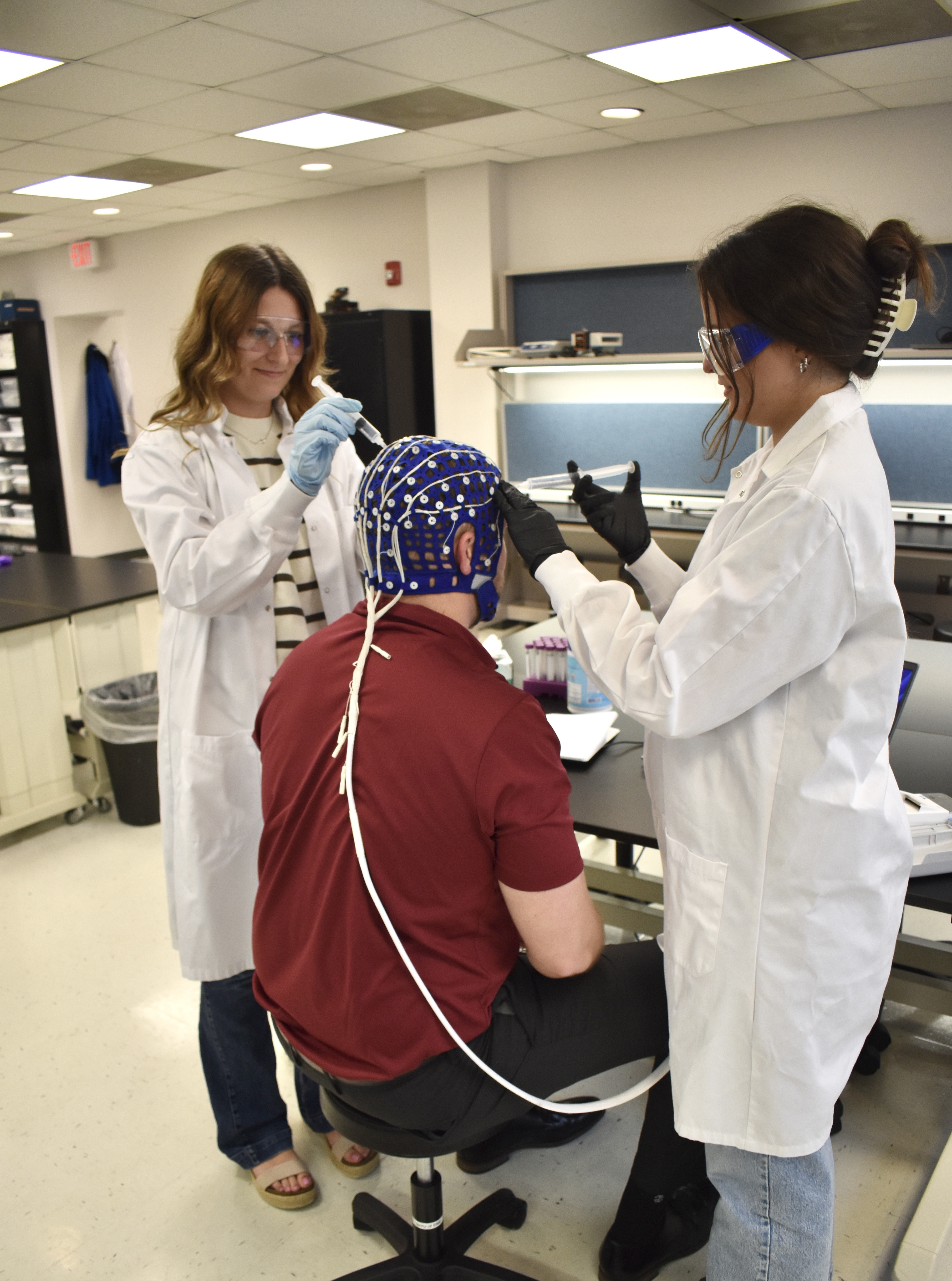
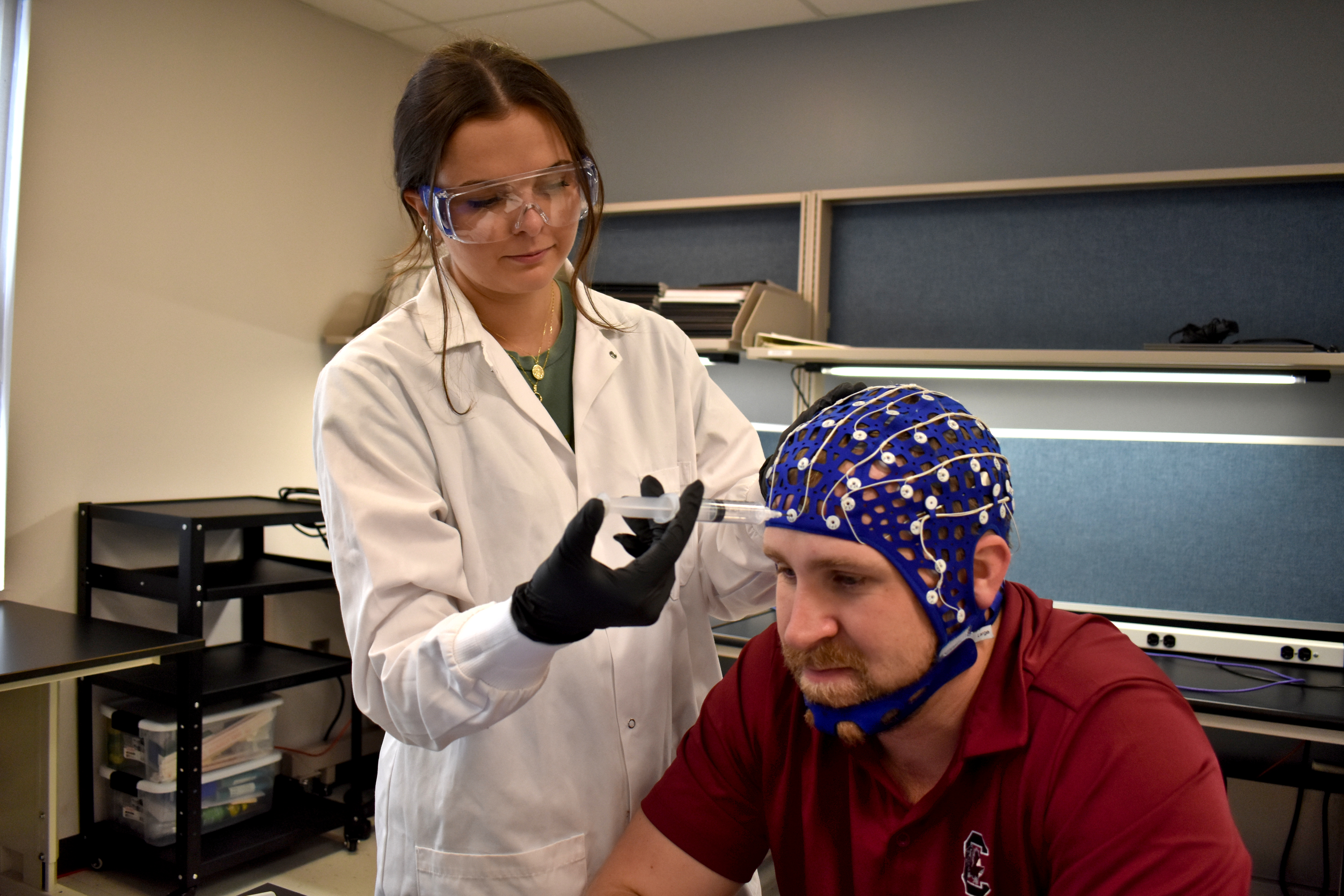
Led by first year PhD student Katie Murphy, the Cognitive Deception project seamlessly integrates neuroscience, engineering, and prototyping by using electroencephalogram (EEG) recordings to examine the neurological correlates of stress in the human brain. We are proud to house the premier EEG system on USC's campus: the OKTI 64 lead EEG system. With this system, we are able to explore a wide variety of experiments and protocols, including using Mario Kart in our experiments to stimulate stressful real-world conditions!
Applications of our research are not limited to cognitive deception recognition. Information and prototypes related to this project have a large usage for stress monitoring to recognize Acute Stress Disorder and PTSD in physicians, healthcare workers, emergency responders, active military personnel, pilots, and many more.
Volatile Organic Compounds
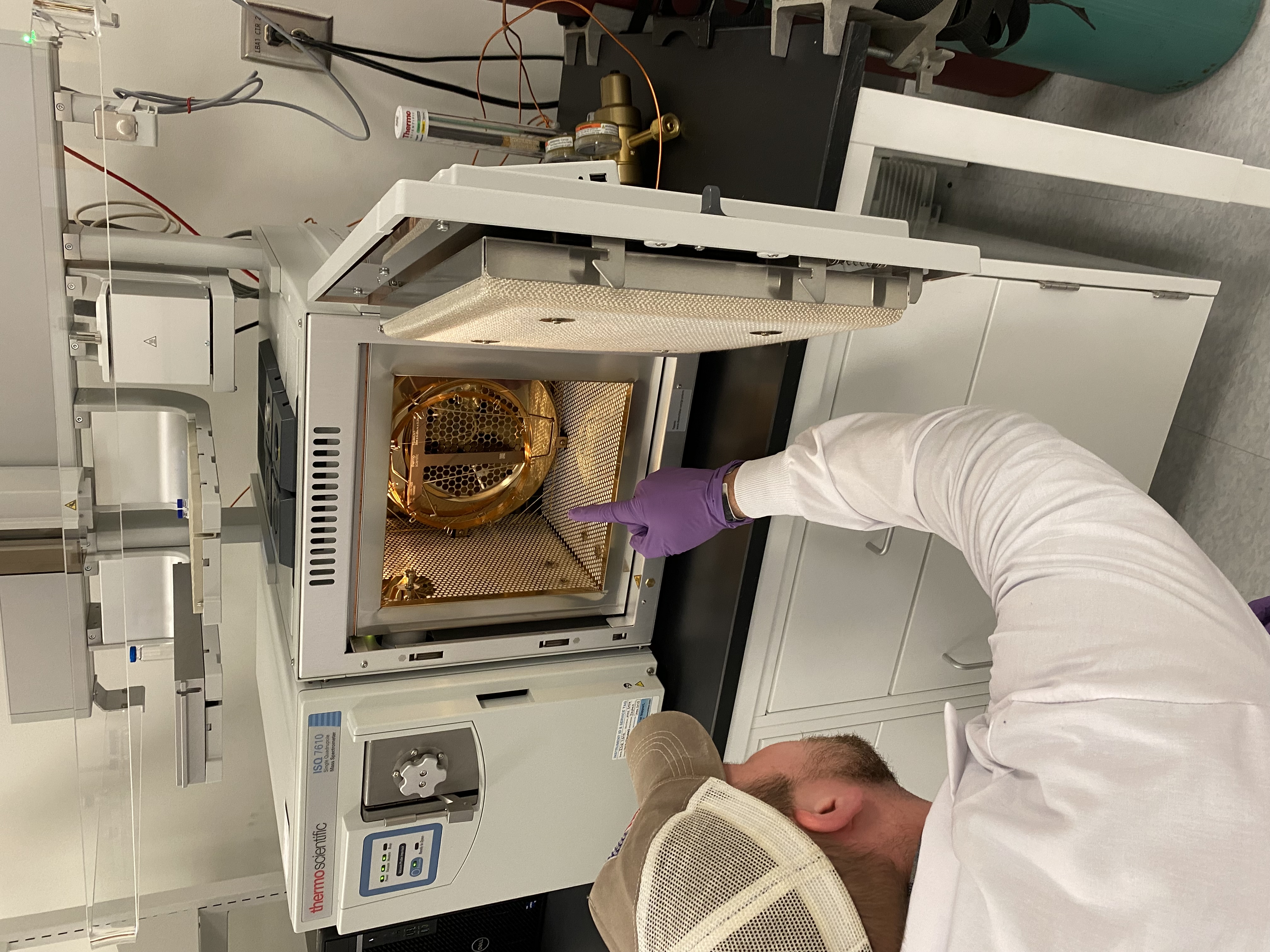
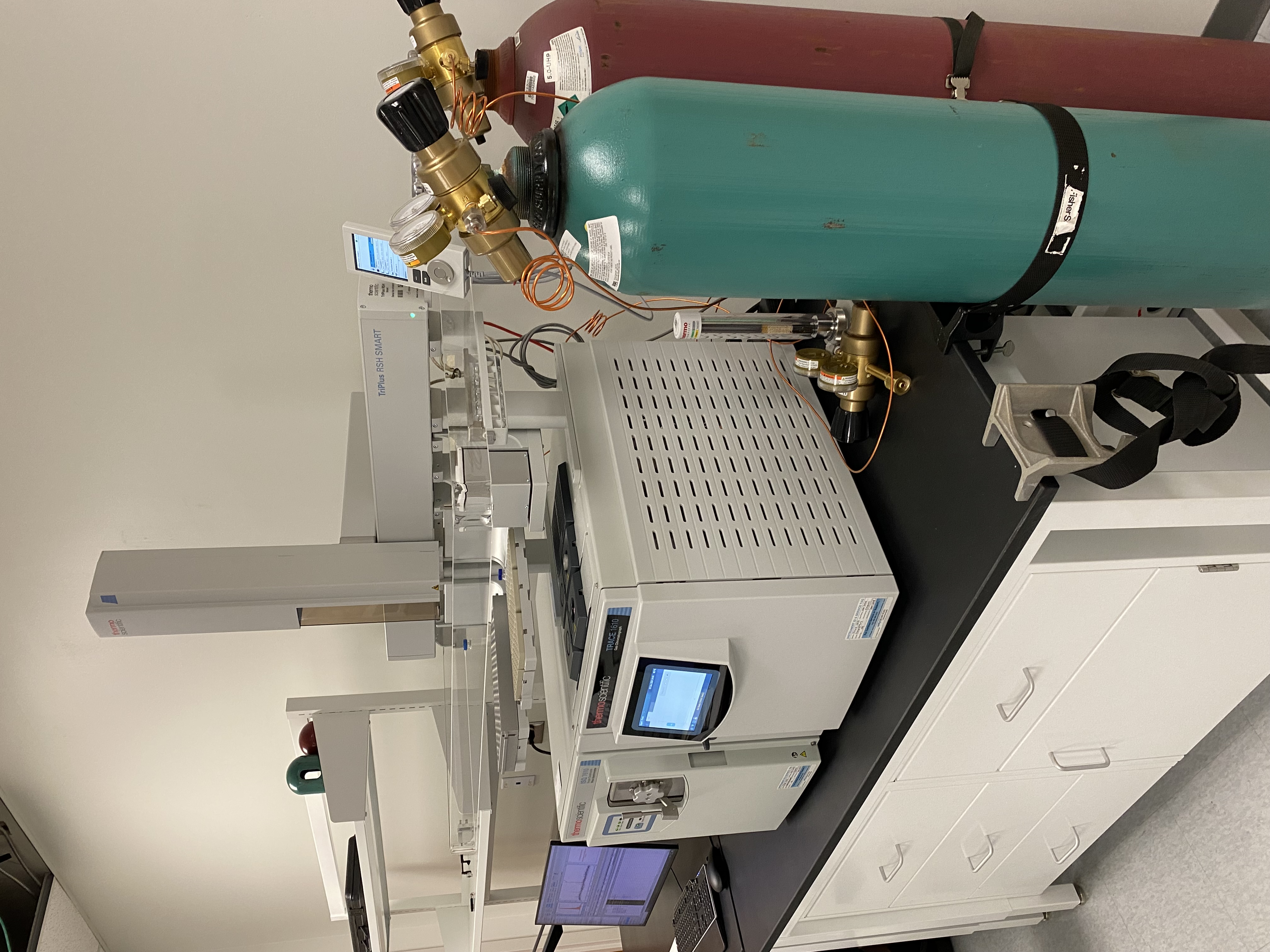
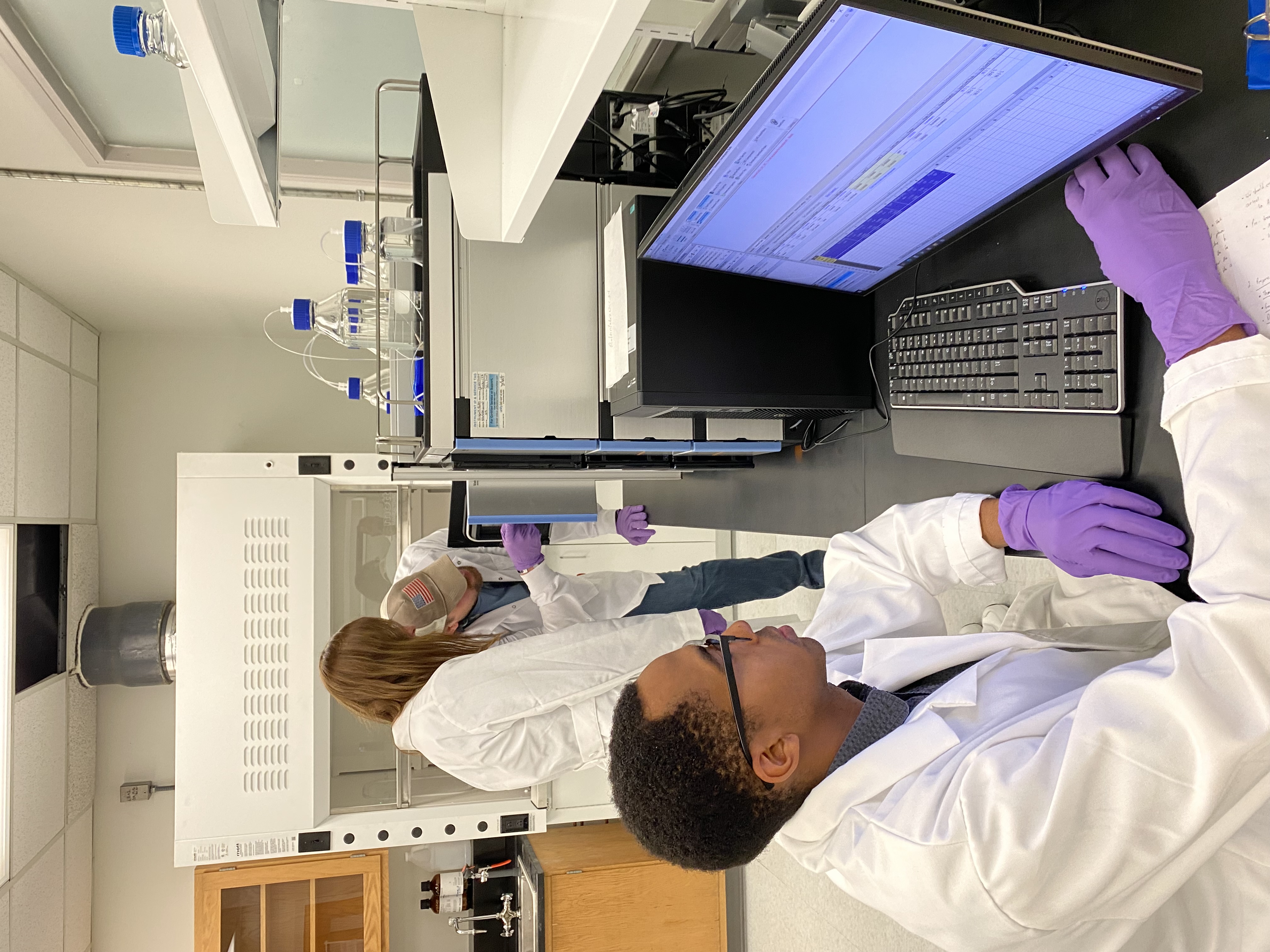
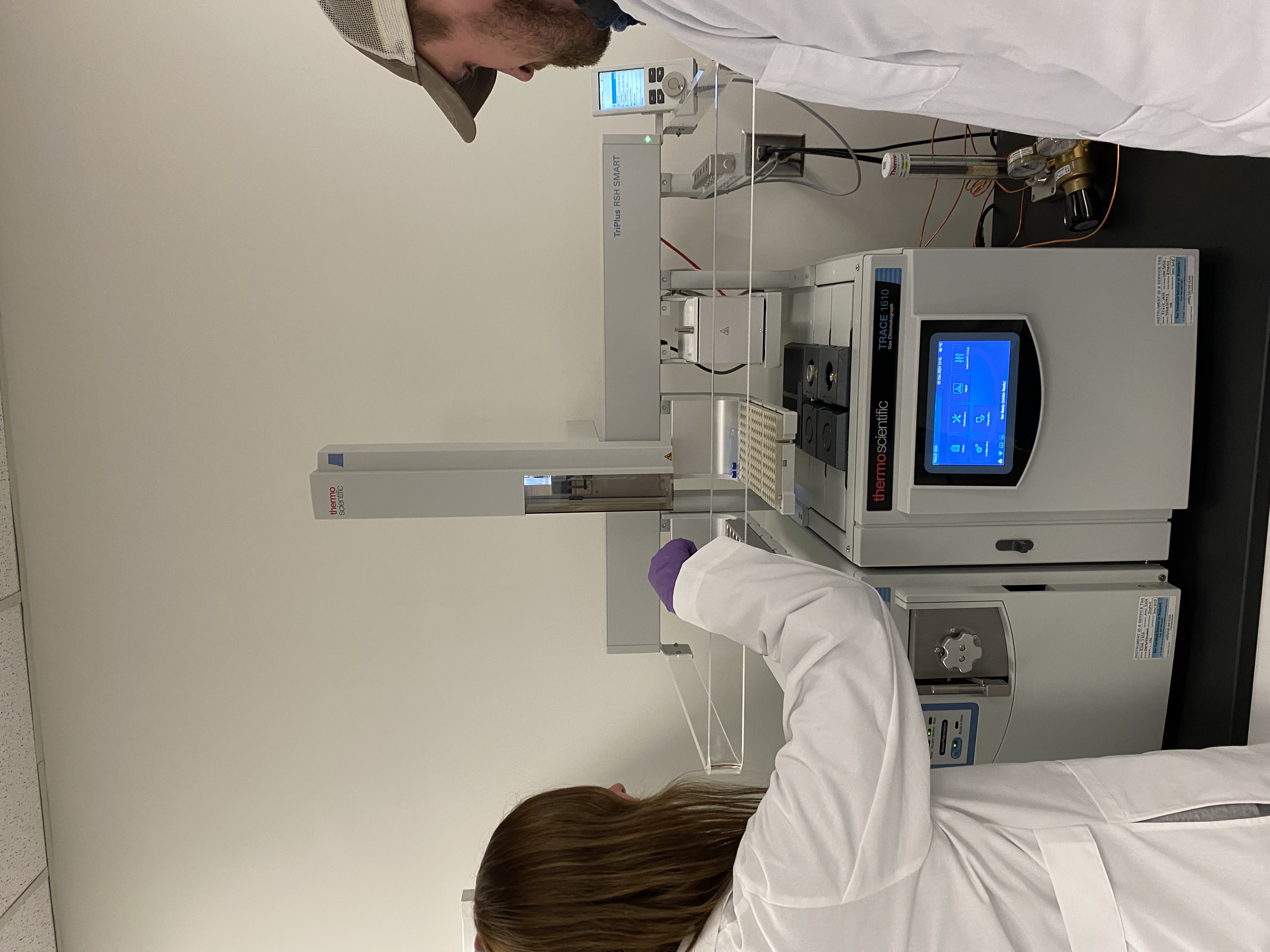
This research project aims to develop a portable, field-deployable system for detecting and quantifying volatile organic compounds (VOCs) emitted by humans under stress or deception. The system is intended to serve as a novel biometric tool for real-time assessment of emotional and physiological states, with particular applications in high-stakes environments such as Air Force pilot training and security screening.
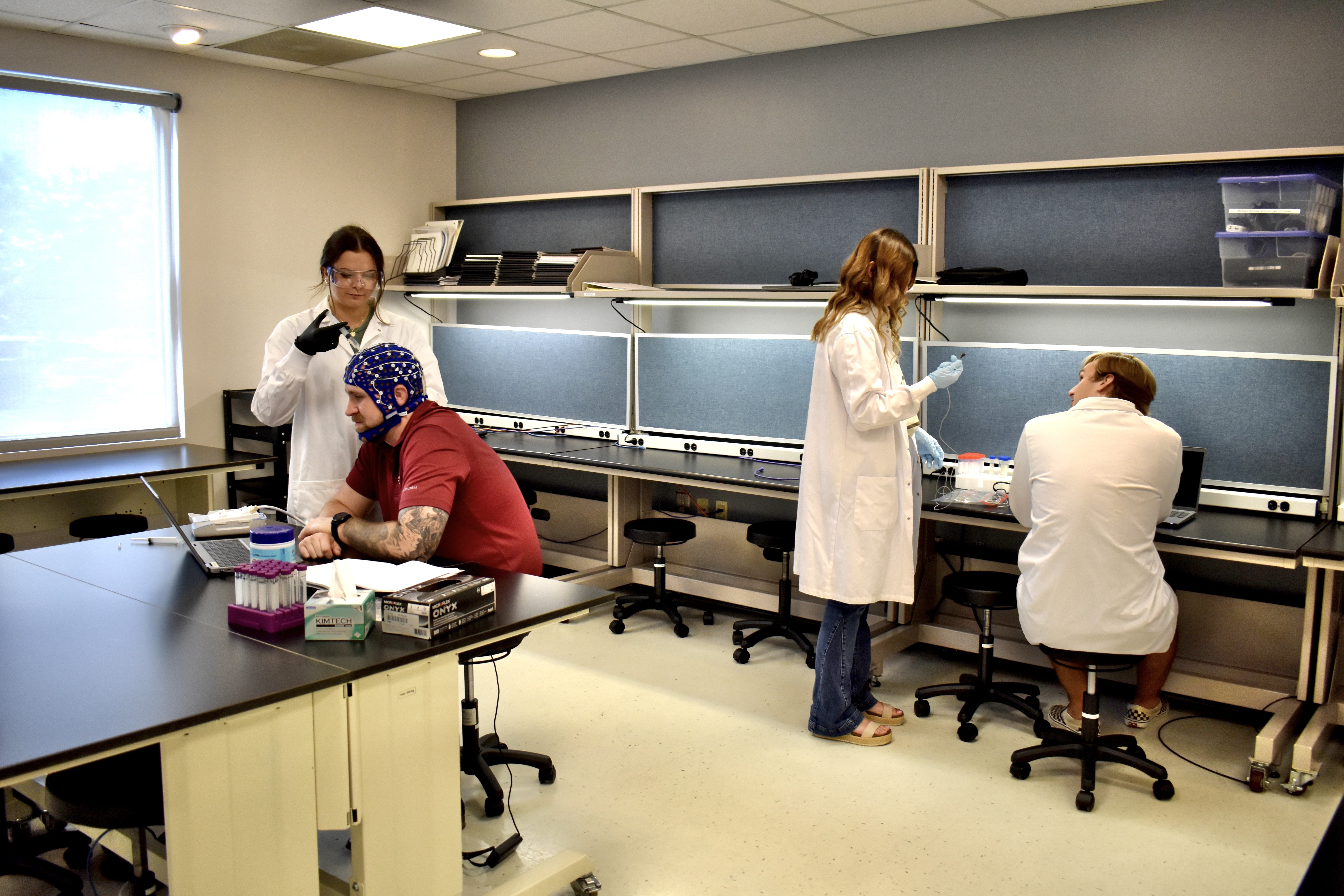
Humans naturally emit hundreds of VOCs through their skin and breath, and specific compounds have been shown to correlate with emotional states like fear, anxiety, and deception. Building on prior research, this project seeks to refine the detection and analysis of various compounds. We are determining detection limits and selectivity for key VOCs using gas chromatography–mass spectrometry (GC–MS) and evaluating sensor technologies for environmental detection. Ultimately, this research promises to enhance pilot training effectiveness, improve readiness, and offer a new tool for security and counterintelligence applications.
3D Printing and Prototyping
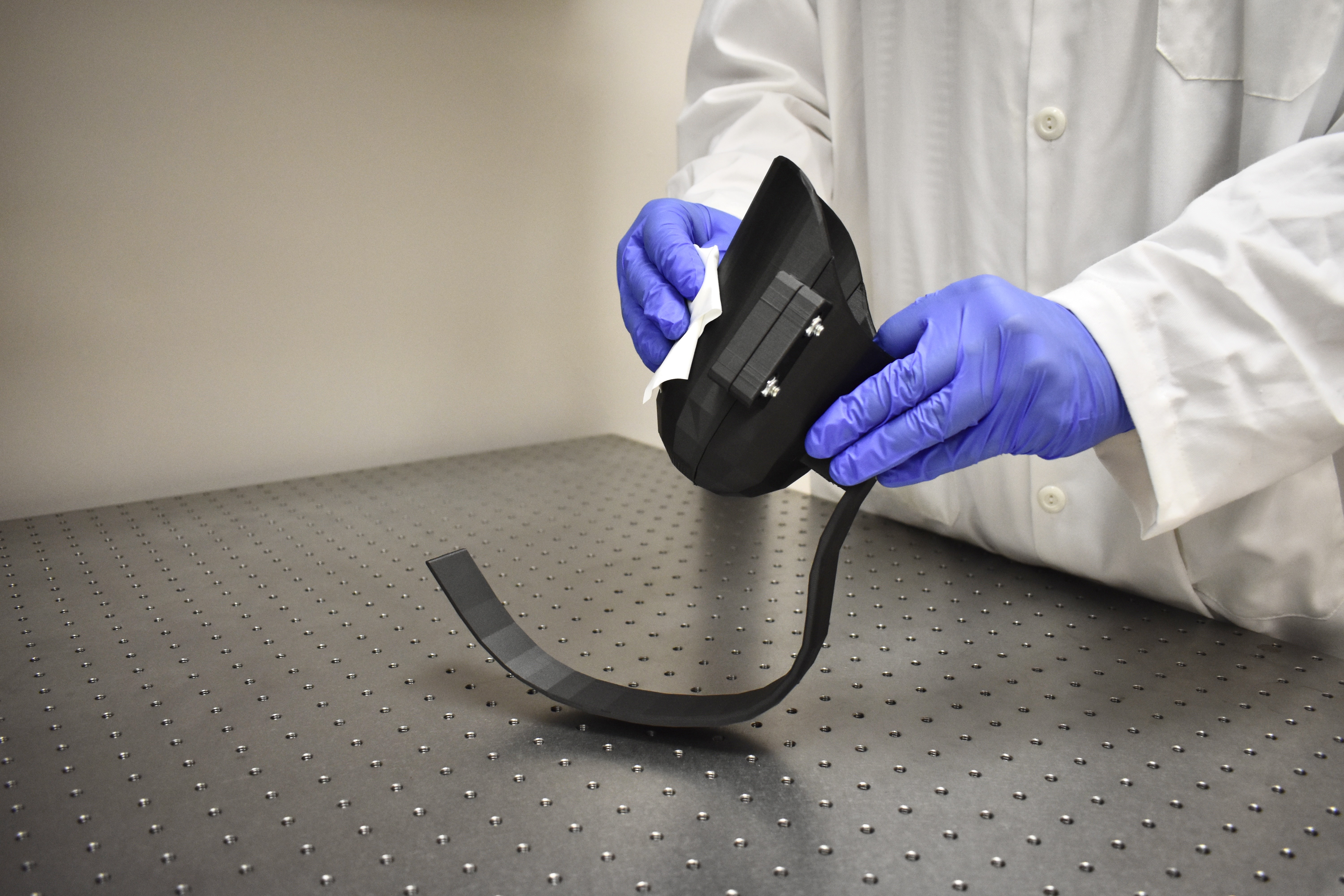
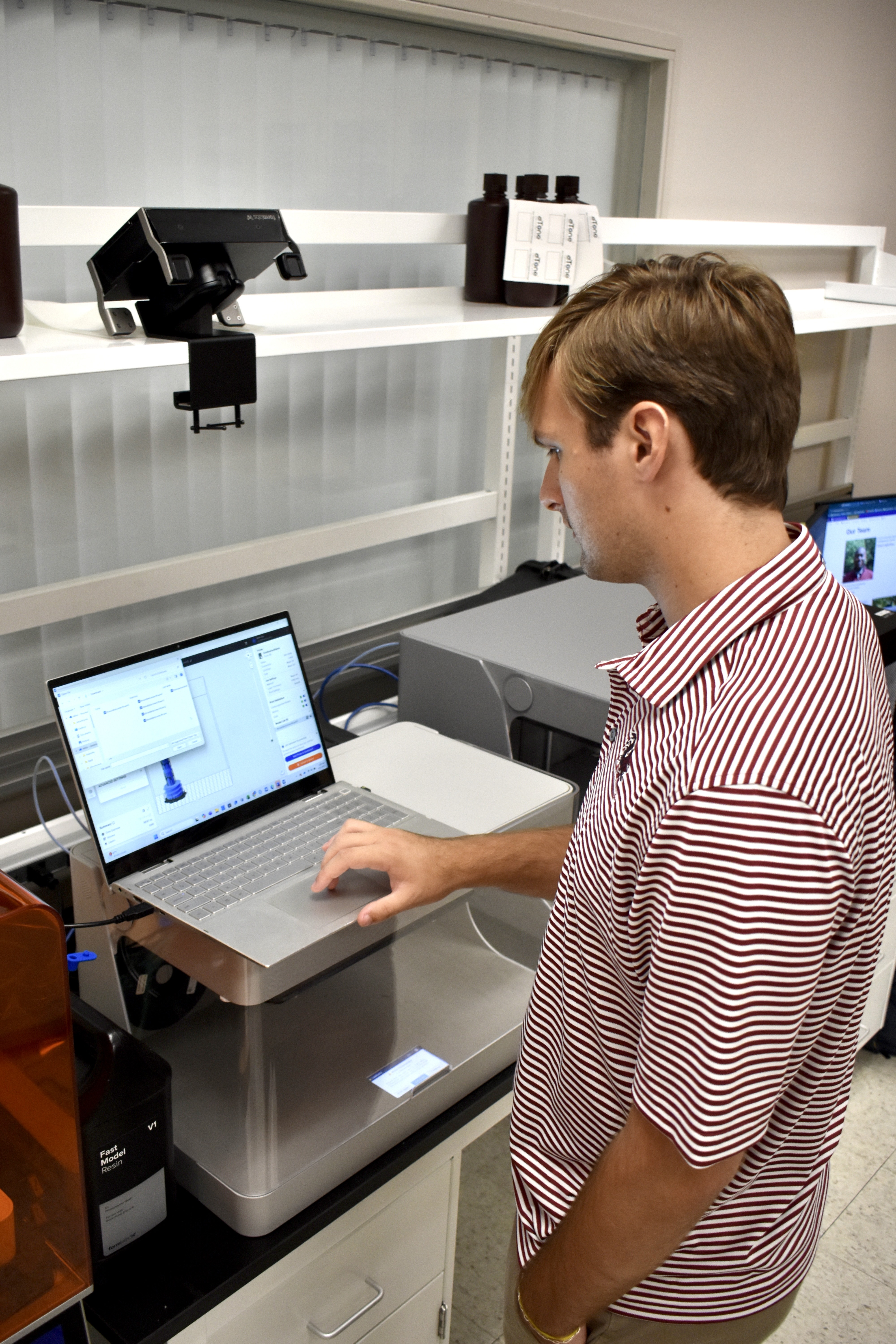
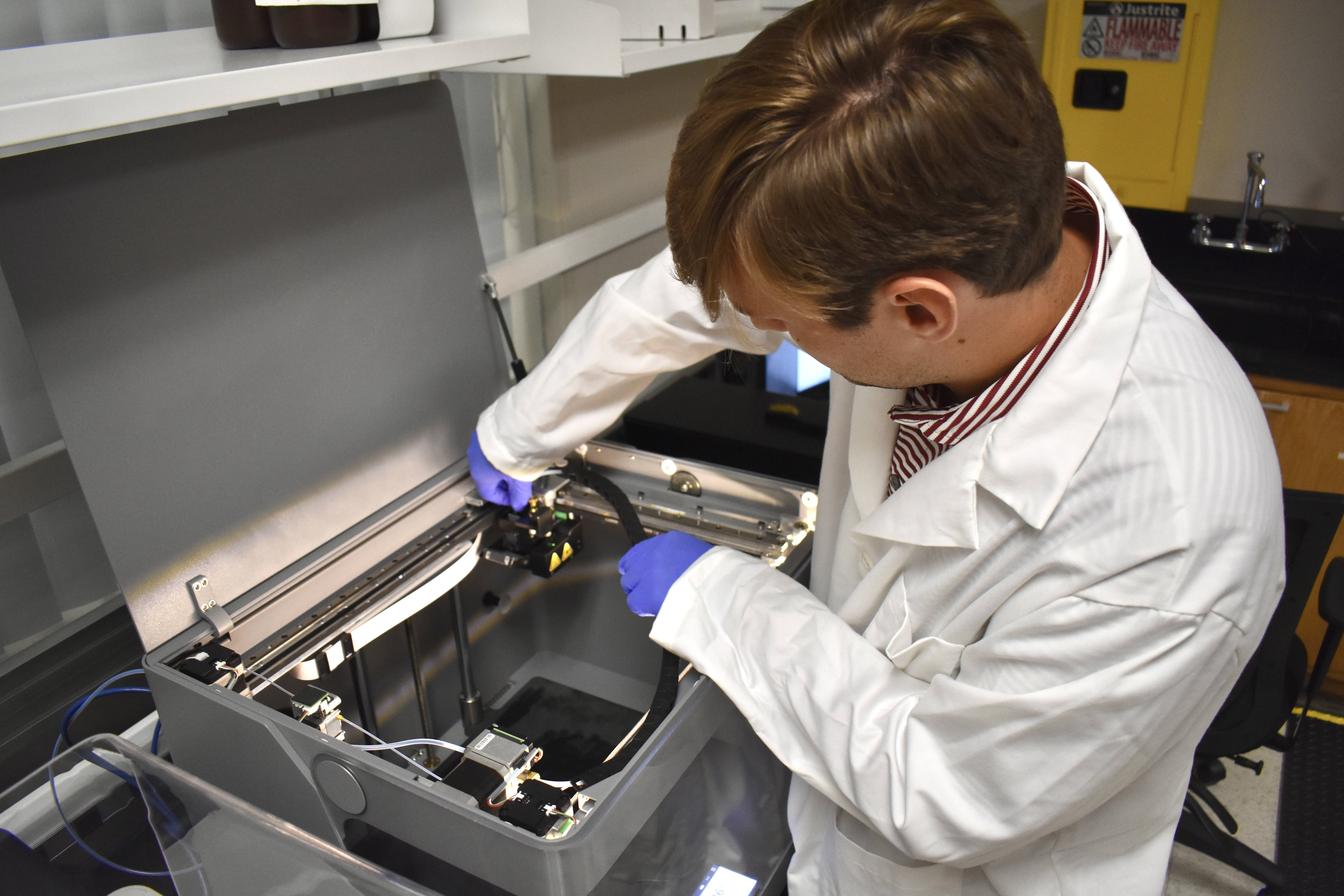
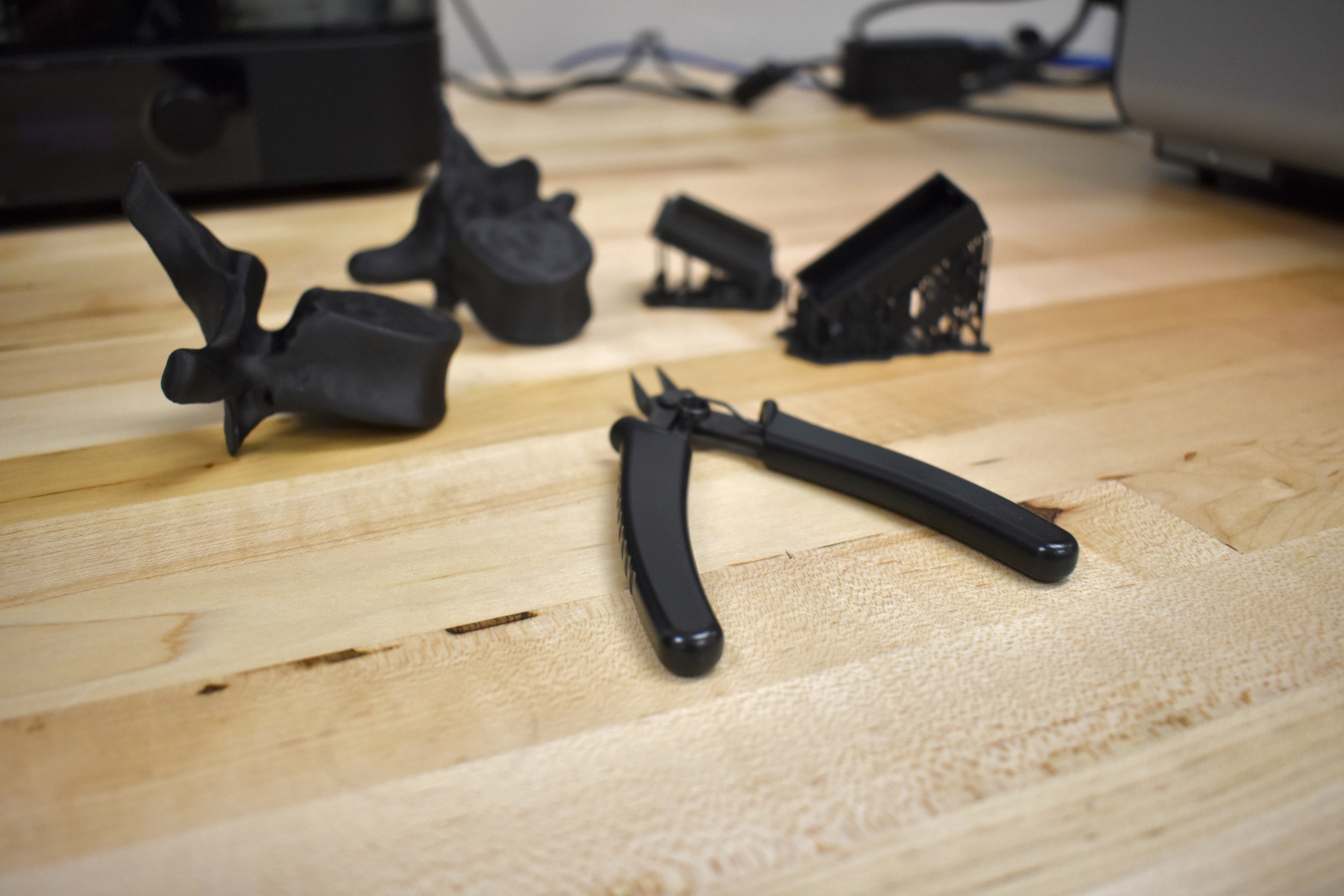
Led by masters student Miller Cox, the ASC houses anything you may need for prototyping. It is home to two FormLabs stereolithography (SLA) 3D printers, capable of printing the finest details from a wide variety of rigid, flexible, and biocompatible materials. The 3D printing suite also contains two Markforged 3D printers with the ability to reinforce parts with carbon fiber. Along with the 3D printers, the ASC has soldering irons and wires for work on electrical components.
The prototyping suite has been utilized for in-lab applications for the Volatile Organic Compounds (VOC), Bio-Neurofeedback Management System (BNMS), and Thermographic Imaging projects. The biomedical engineering seniors use our 3D printers and soldering irons for hands on design experience during their capstone projects. With the soon-to-be addition of metal 3D printers, multi-color 3D printers, and laser engravers, the prototyping abilities of the Acute Stress Center are always expanding!
Bio-Neurofeedback Management System (BNMS)
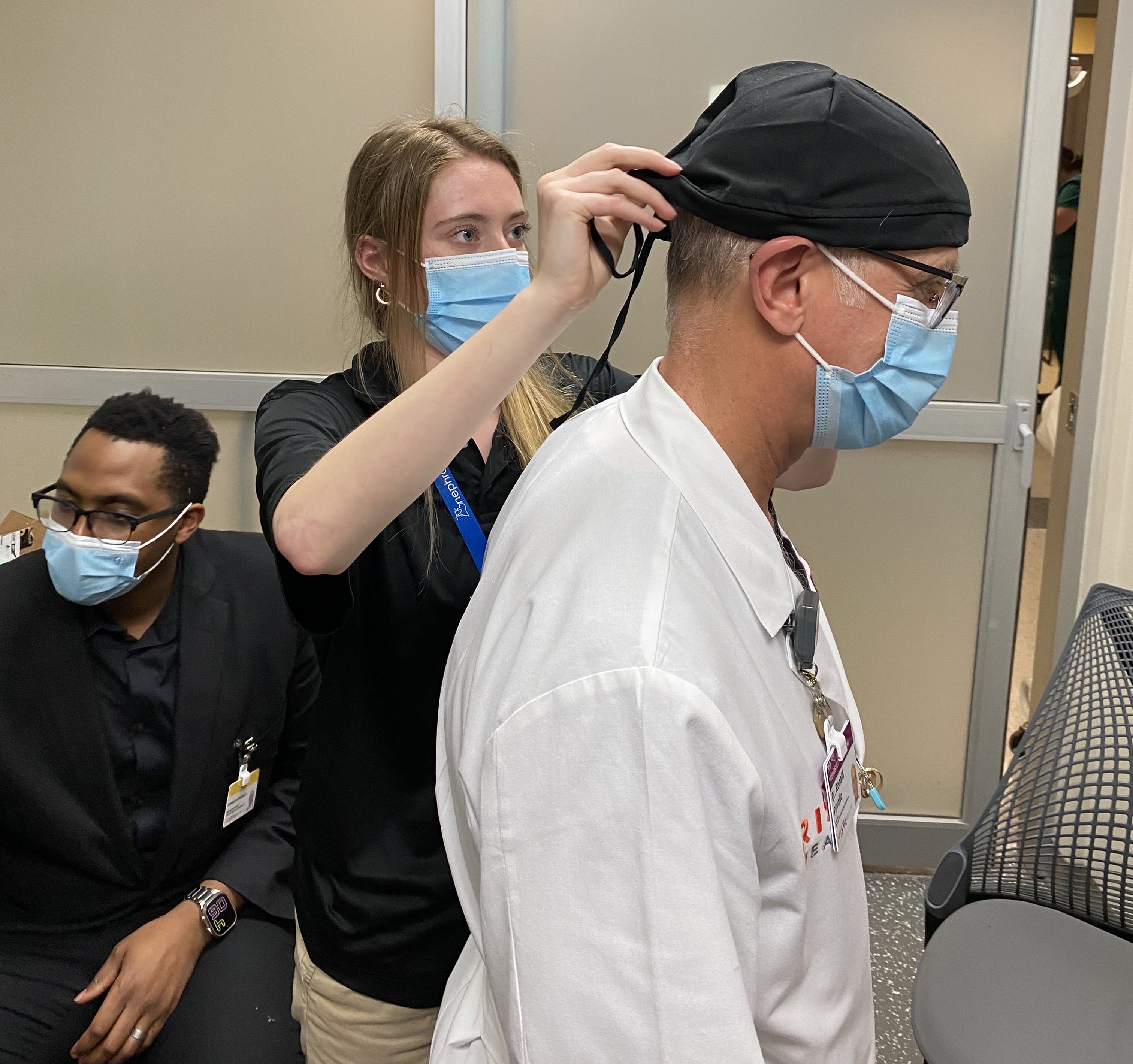
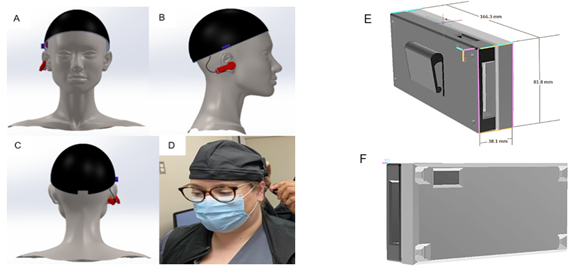
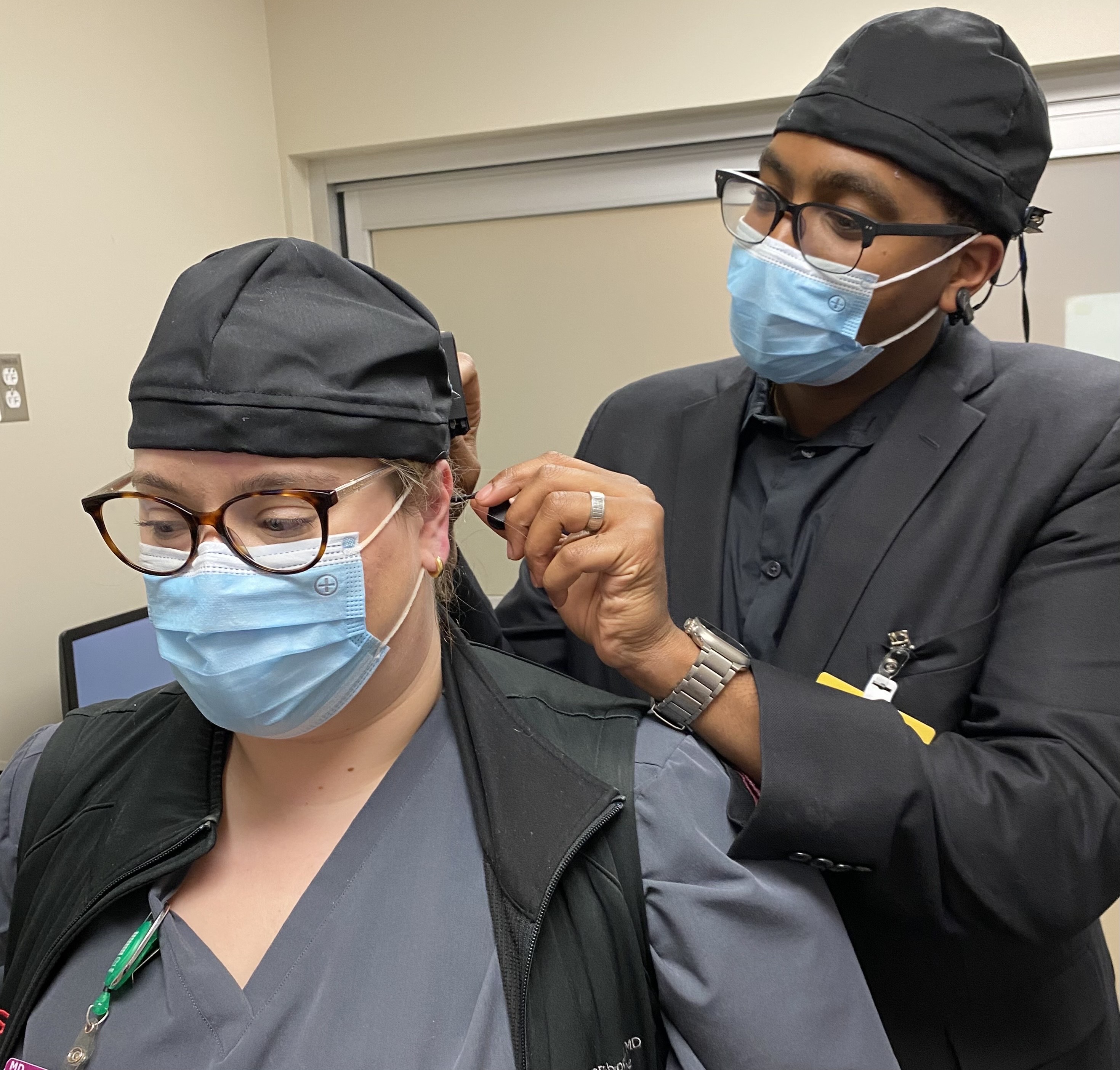
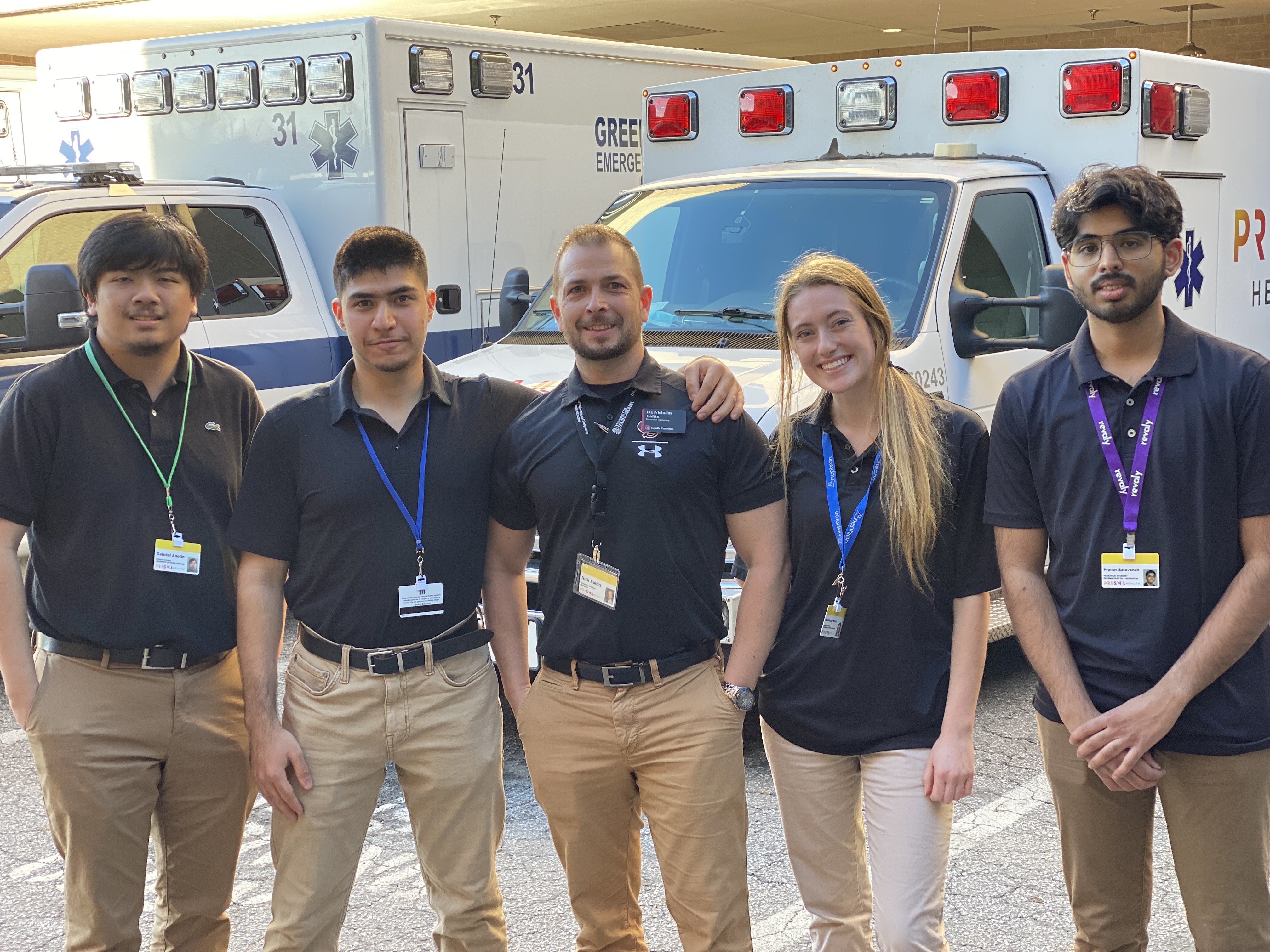
The Neuro-trauma Feedback System (NTFS) is an innovative research initiative aimed at developing a wearable electroencephalography (EEG) biomonitoring device to detect early signs of Acute Stress Disorder (ASD) in emergency care clinicians. Led by Dr. Nicholas D. Boltin and Dr. Ronald Pirrallo, this interdisciplinary project brings together experts in biomedical engineering, emergency medicine, and artificial intelligence. The study focuses on capturing real-time neurological responses from clinicians exposed to high-stress environments, such as those at the Greenville Memorial Hospital Emergency Department. Using a discreet, dry-electrode EEG headset embedded in a surgical cap, the system collects brainwave data during clinicians’ shifts. This data is then analyzed using AI-driven tools to identify biomarkers associated with ASD. The ultimate goal is to create a decision support system that can monitor and mitigate the risk of ASD and PTSD among healthcare providers. By improving early detection and intervention strategies, this project not only enhances clinician well-being but also contributes to the broader mission of advancing mental health support in high-stress medical settings.
Laboratory Collaborations
We are proud to partner with the Defense University Research Instrumentation Program (DURIP), which has provided $1.3 million for thermal and optical imaging equipment at the University of South Carolina Biomedical Engineering Center for Acute Stress and Credibility Assessment. Sponsored by the U.S. Air Force, Air Force Office of Scientific Research, and Department of Defense (DoD), the center’s groundbreaking efforts are led by Department Chair Mark Uline, with contributions from esteemed researchers including Ahmed Alshareef, Tarek Shazly, Michael Sutton, Nicholas Boltin, and Clinton Webb. The center focuses on advanced contactless polygraph technology and credibility assessment, offering non-invasive biometric measurement to revolutionize security clearance processes.